
Call Us Now
(570) 216-8277
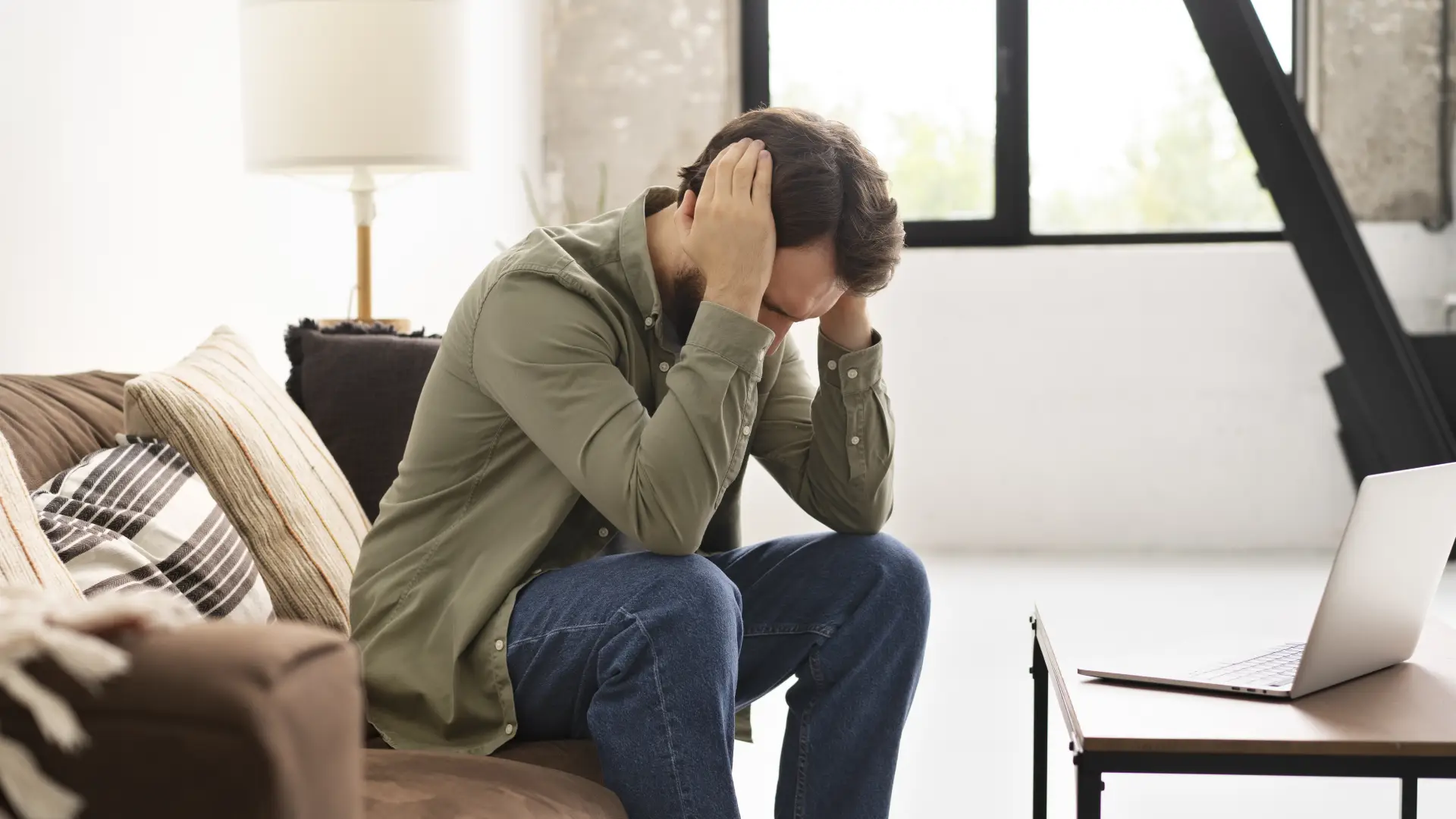
Anxiety and chronic stress can affect your thoughts, sleep, concentration, relationships, physical comfort, and ability to feel present. You may find yourself overthinking, expecting the worst, feeling on edge, or having difficulty shutting your mind off.
Therapy can help you better understand the situations, thoughts, experiences, and patterns that may be contributing to your anxiety. We can also work on practical ways to respond to stress with greater awareness and flexibility.
Sessions may include discussion of what has been increasing your stress, how anxiety shows up in your body and thoughts, and what you currently do to cope. Together we can identify strategies that fit your life rather than relying on a one-size-fits-all approach.
Coping techniques can be useful, but no technique works instantly or equally well for everyone. We will pay attention to what is effective for you and adjust as needed.
Lorem ipsum dolor sit amet consectetur adipiscing elit. Quisque faucibus ex sapien vitae pellentesque sem placerat. In id cursus mi pretium tellus litora torquent per conubia nostra inceptos himenaeos taciti sociosqu.
You may consider therapy if worry, tension, avoidance, sleep problems, physical symptoms, or overwhelm are affecting your daily life or if you simply want support managing stress more effectively.
Depending on your needs, therapy may include grounding, breathing, thought-challenging, behavioral strategies, problem solving, boundary work, and other stress-management tools.
There is no set timeline. Some people notice changes relatively early, while others benefit from longer-term work. Progress depends on your concerns, goals, circumstances, and response to treatment.
Therapy can help you understand how anxiety affects the body and practice strategies for responding to physical symptoms. Physical symptoms should also be evaluated medically when appropriate.
Medication is not required to participate in therapy. If medication becomes something you want to explore, you can discuss it with an appropriate medical or prescribing professional.
We can slow down, orient to the present, and use grounding or other coping strategies. If symptoms suggest a medical emergency, appropriate emergency evaluation may be recommended.